

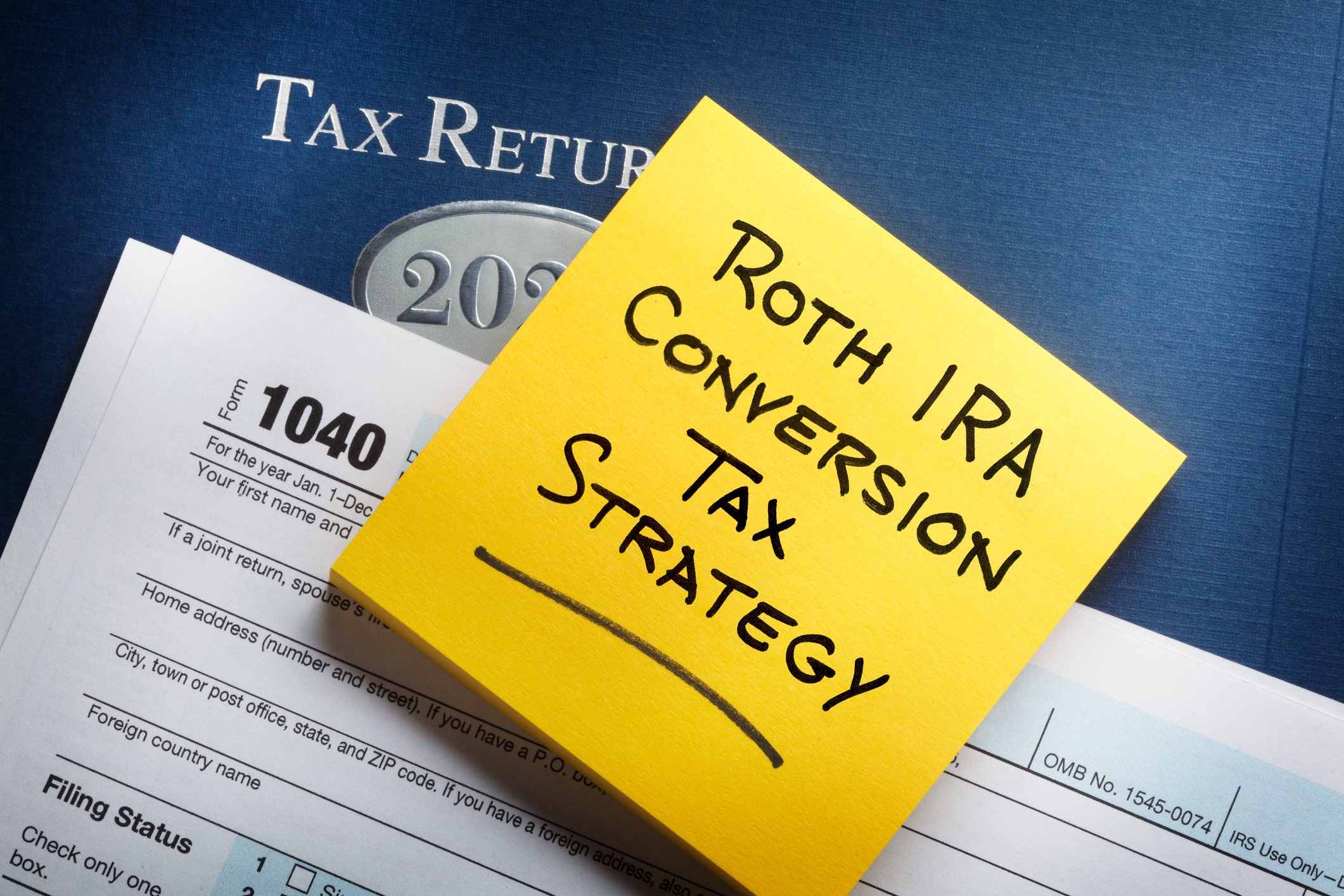
Unlock greater retirement security by leveraging Roth conversions for tax-efficient income strategies tailored to business owners and executives.
Maximizing Retirement Cash Flow with Strategic Roth Conversions
Roth conversions present a unique opportunity for business owners and executives to optimize their retirement cash flow. By transitioning assets from traditional retirement accounts into Roth IRAs, individuals can strategically manage the timing of taxable income, potentially reducing the overall tax burden throughout retirement.
A well-timed Roth conversion can allow retirees to withdraw funds tax-free in the future, providing flexibility to meet cash flow needs while minimizing exposure to required minimum distributions (RMDs) and their tax consequences. This approach is particularly valuable when considering the interplay with Social Security benefits, as the taxable portion of these benefits can be managed more effectively through careful income planning.
Understanding Tax Implications in Retirement Planning
Taxation plays a critical role in retirement income strategies, especially for high-earning business owners and executives. Traditional IRA withdrawals are taxed as ordinary income, which can trigger higher taxes on Social Security benefits. Up to 85% of Social Security benefits can become taxable depending on a retiree’s combined income, which includes adjusted gross income, nontaxable interest, and half of Social Security benefits.
Executing Roth conversions in lower-income years can help minimize the taxable impact on Social Security benefits. Since qualified Roth IRA withdrawals do not count toward combined income, they provide a tax-efficient mechanism to supplement retirement cash flow without increasing Social Security benefit taxation.
Integrating Roth Conversions into Business Owner Exit Strategies
For business owners planning an exit, the timing and scale of Roth conversions can be integrated into succession or liquidity strategies. An exit event often results in a substantial one-time income spike, which can push the owner into higher tax brackets and increase Social Security benefit taxation if not managed proactively.
By initiating Roth conversions prior to an exit, business owners can spread out taxable income over several years, potentially reducing exposure to higher marginal tax rates and mitigating the impact on Social Security benefit taxation. This approach creates a more predictable and tax-efficient income stream post-exit, supporting long-term financial security.
Mitigating Market Volatility Risks with Tax Diversification
Market volatility can significantly affect retirement income planning, especially for those relying on traditional retirement accounts. Roth conversions add a layer of tax diversification, allowing business owners and executives to select the most advantageous income sources based on market conditions and tax rates in any given year.
This flexibility is crucial in years when market downturns or legislative changes impact retirement income. Tax-free Roth IRA withdrawals provide a stable income option, reducing the need to liquidate assets in unfavorable markets and minimizing increases in taxable income that could make more of your Social Security benefits taxable.
Customizing Roth Conversion Timing for Optimal Outcomes
The optimal timing for Roth conversions is highly individualized and must account for current tax brackets, anticipated income changes, and Social Security claiming strategies. Business owners and executives can maximize benefits by converting assets in years of lower taxable income, such as early retirement years or prior to starting Social Security benefits.
Advanced planning with a wealth advisor can help model different scenarios, ensuring that Roth conversions are executed in a way that balances immediate tax liabilities with the long-term objective of minimizing taxation on both retirement withdrawals and Social Security benefits. This tailored approach supports a more secure and flexible retirement for high-income individuals.