

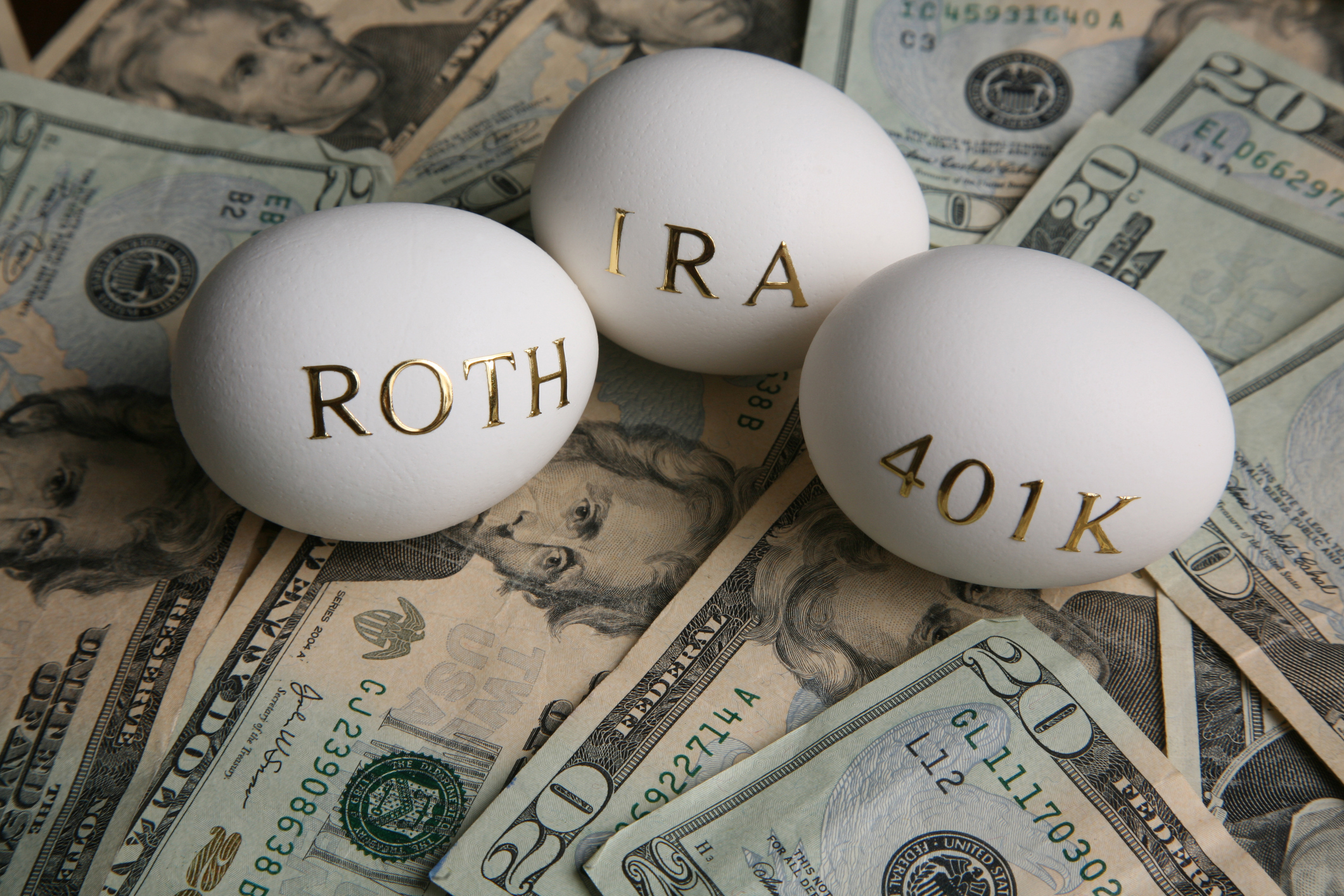
Discover the strategic timing and tax-saving potential of Roth conversions to maximize your retirement wealth and minimize lifetime tax liability.
Understanding the Power of Roth Conversions in Your Retirement Strategy
A Roth conversion represents one of the most powerful wealth preservation strategies available to business owners and executives. By converting funds from a traditional IRA or 401(k) to a Roth IRA, you voluntarily pay taxes today on the converted amount in exchange for tax-free growth and withdrawals in retirement. This strategic decision can fundamentally reshape your retirement income landscape, particularly when executed at the right time and under favorable tax conditions.
The core advantage lies in the long-term compounding effect of tax-free growth. Unlike traditional retirement accounts where every dollar withdrawn in retirement is subject to ordinary income tax, Roth IRAs allow your investments to grow completely tax-free. More importantly, qualified withdrawals after age 59½ are entirely tax-free, giving you substantial flexibility in managing your retirement income and potentially reducing your overall lifetime tax burden.
For business owners and executives, Roth conversions offer additional strategic benefits beyond tax savings. They eliminate required minimum distributions (RMDs) during your lifetime, providing greater control over your retirement assets and allowing your wealth to continue growing tax-free for as long as you choose. This makes Roth IRAs exceptional wealth transfer vehicles, as beneficiaries can inherit these accounts and enjoy tax-free distributions over their lifetimes. When integrated thoughtfully into your broader financial strategy, Roth conversions can serve as a cornerstone for multi-generational wealth preservation.
Optimal Windows for Converting Traditional Retirement Assets
Timing is everything when it comes to Roth conversions. The most favorable opportunities typically arise during years when your taxable income is temporarily lower than usual. For business owners, this might occur during a business transition, following the sale of a company when you're between ventures, or during early retirement years before Social Security and RMDs begin. These windows allow you to convert retirement assets while remaining in lower tax brackets, maximizing the efficiency of your conversion strategy.
Market downturns present another compelling conversion opportunity that savvy executives leverage to their advantage. When your portfolio values decline, you can convert more shares or units for the same tax cost, effectively repositioning depreciated assets into a tax-free growth environment. As markets recover, the appreciation occurs entirely within the Roth IRA, shielding all future gains from taxation. This approach requires both discipline and conviction during volatile periods, but the long-term benefits can be substantial.
The years immediately following retirement but before age 72—when RMDs begin—represent a particularly strategic conversion window. During this period, many executives have left high-earning positions but haven't yet started Social Security or mandatory retirement distributions. This gap creates an ideal opportunity to systematically convert traditional retirement assets while maintaining control over your tax bracket. By proactively managing conversions during these years, you can potentially reduce or eliminate the tax impact of future RMDs while optimizing your overall retirement tax efficiency.
Tax Bracket Management and Strategic Conversion Planning
Effective Roth conversion planning requires a sophisticated understanding of how conversions interact with your current and future tax brackets. The conversion amount itself becomes taxable income in the year you execute it, potentially pushing you into higher marginal tax brackets. The key to successful conversion planning lies in converting just enough each year to maximize tax efficiency without unnecessarily inflating your current tax liability. This typically means converting amounts that fill up your current tax bracket without spilling significantly into the next higher bracket.
For business owners and executives, tax bracket arbitrage forms the foundation of strategic conversion planning. If you anticipate being in a higher tax bracket during retirement—due to RMDs, pension income, Social Security benefits, or continued business income—paying taxes now at lower rates becomes particularly advantageous. Conversely, if you expect to be in similar or lower tax brackets in retirement, the conversion benefits may be less compelling. This analysis requires projecting future income sources, tax law changes, and potential estate planning considerations.
The current tax environment adds another dimension to conversion decisions. With historically favorable tax rates scheduled to sunset after 2025, many executives are accelerating conversion strategies to take advantage of today's lower brackets before they potentially increase. This creates urgency around multi-year conversion planning, where you systematically convert portions of your traditional retirement accounts over several years, spreading the tax impact while capitalizing on favorable rates. Working with experienced financial and tax advisors becomes essential in modeling different conversion scenarios and determining the optimal conversion amounts for your specific situation.
Avoiding Common Pitfalls That Can Undermine Your Conversion Benefits
One of the most significant mistakes in Roth conversion planning is failing to account for the full tax impact of the conversion. The additional taxable income from a conversion can trigger numerous collateral consequences beyond your marginal tax rate. These include higher Medicare Part B and Part D premiums through Income-Related Monthly Adjustment Amounts (IRMAA), the phaseout of various deductions and credits, and increased taxation of Social Security benefits. A seemingly attractive conversion at a 24% marginal rate might effectively cost you 30% or more when these secondary effects are factored in.
Another critical pitfall involves the five-year rule that governs Roth conversion withdrawals. Even if you're over age 59½, each conversion has its own five-year holding period before you can withdraw the converted principal tax-free. Withdrawing converted funds before this five-year period expires triggers a 10% early withdrawal penalty on the converted amount. For executives planning early retirement or those who might need access to converted funds, this rule requires careful planning around conversion timing and ensuring adequate liquidity from other sources.
Many business owners also overlook the importance of having funds available outside their retirement accounts to pay the conversion taxes. Paying conversion taxes from the converted amount itself significantly diminishes the strategy's effectiveness, as you're reducing the assets that can grow tax-free and potentially incurring additional penalties if you're under age 59½. The most successful conversion strategies involve using taxable investment accounts, business proceeds, or other non-retirement funds to cover the tax liability, allowing the full converted amount to grow tax-free within the Roth IRA.
Building Your Personalized Roth Conversion Roadmap
Creating an effective Roth conversion strategy begins with comprehensive financial modeling that projects your retirement income, expenses, and tax situation across multiple decades. This analysis should account for all income sources including business income, investment returns, Social Security, pensions, and required minimum distributions. By mapping out your expected tax brackets year by year, you can identify the optimal conversion opportunities and amounts that will minimize your lifetime tax burden while meeting your retirement and legacy goals.
Your personalized roadmap should incorporate flexibility to adapt to changing circumstances. Tax laws evolve, markets fluctuate, and personal situations change—all of which can impact the attractiveness of conversions in any given year. Building in annual review points allows you to reassess your strategy, adjust conversion amounts based on market performance, and respond to changes in tax legislation or personal financial circumstances. This dynamic approach ensures your conversion strategy remains aligned with your overall financial objectives.
The most successful conversion strategies are integrated holistically with your broader financial and estate planning goals. Consider how Roth conversions interact with charitable giving strategies, business succession planning, estate tax considerations, and wealth transfer objectives. For business owners with substantial estates, strategic Roth conversions can reduce future estate values by paying taxes now, while simultaneously creating tax-free inheritance vehicles for beneficiaries. Working with a coordinated team of financial advisors, tax professionals, and estate planning attorneys ensures your conversion strategy supports all aspects of your wealth management objectives and positions you for long-term financial success.