

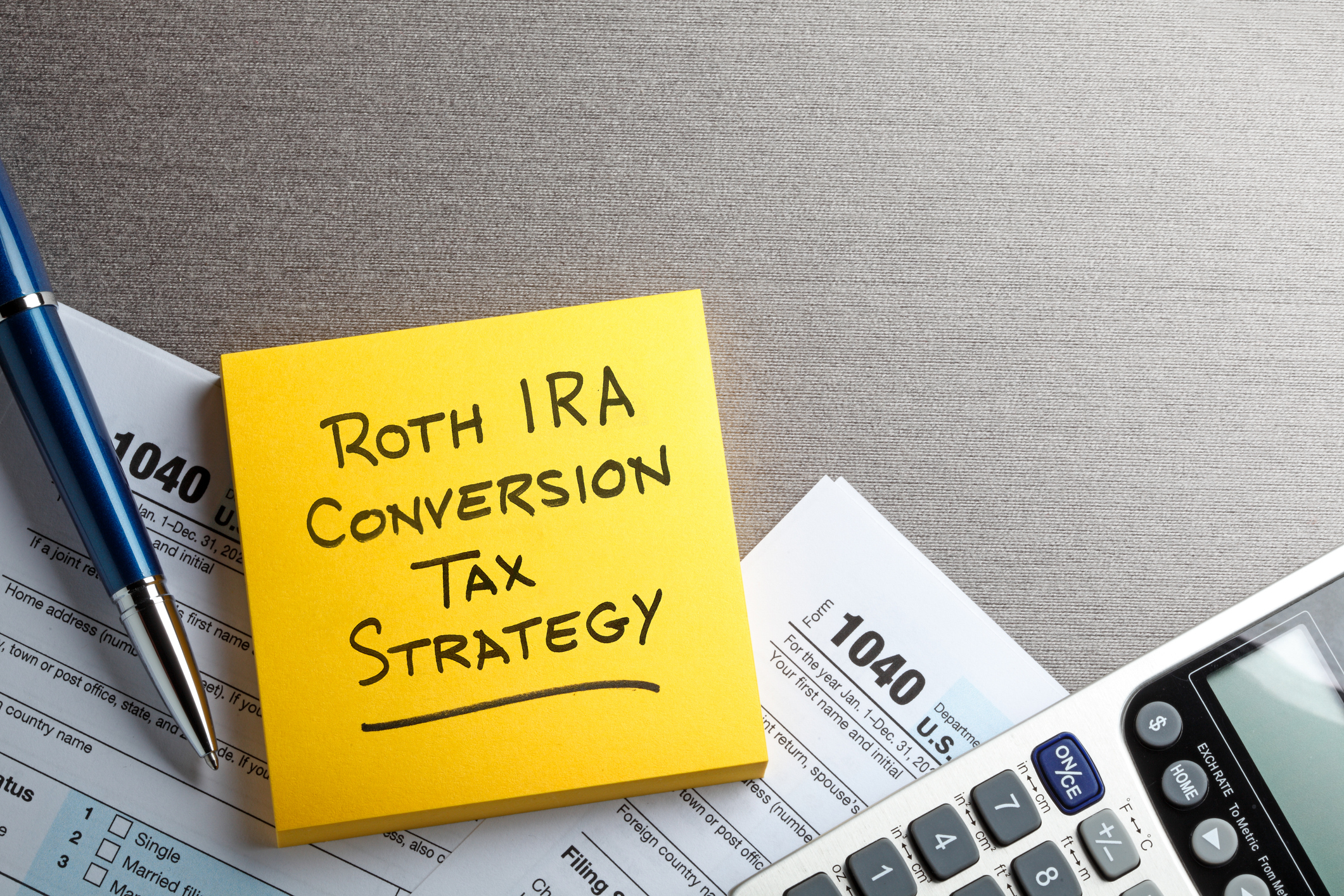
Unlock the full potential of your retirement savings by mastering the art of Roth conversions and tax bracket strategy.
Why Timing Matters for Roth Conversions
When it comes to Roth conversions, timing is everything. The year you choose to convert traditional IRA funds to a Roth IRA can have a significant impact on your tax liability. Strategic timing allows you to take advantage of lower income years, market downturns, or anticipated changes in tax legislation.
For business owners and executives, fluctuations in annual income—such as from bonuses, the sale of a business, or variable distributions—make timing especially crucial. Properly timed conversions can help you maximize post-tax wealth and reduce the risk of paying unnecessarily high taxes.
Understanding Tax Brackets and Their Impact
The U.S. tax system is progressive, meaning your income is taxed at increasing rates as you move up the brackets. Each dollar converted from a traditional IRA to a Roth adds to your taxable income for the year, potentially pushing you into a higher bracket.
Understanding where your current income falls within the tax brackets is the first step to planning an efficient Roth conversion. Awareness of the thresholds and how close you are to the next bracket can be the difference between optimal tax efficiency and bracket creep—where a conversion inadvertently triggers higher tax rates.
How to Identify the Optimal Conversion Window
The optimal window for Roth conversions often aligns with years when your taxable income is lower than usual. This might occur during a sabbatical, early retirement, or after a major business expense. Identifying these windows requires proactive planning and accurate forecasting of your income and deductions.
For executives and business owners, it’s wise to coordinate conversions with your CPA or advisor, especially if you anticipate large swings in income or significant one-time deductions. Modeling multiple scenarios can help reveal the sweet spot where you maximize conversions while minimizing your marginal tax rate.
Common Pitfalls and How to Avoid Them
One of the most common pitfalls in Roth conversions is underestimating the impact on your tax bracket. Accidentally pushing yourself into a higher bracket can negate the long-term benefits of the conversion. Overlooking state income taxes, Medicare surcharges, or the impact on deductions and credits can also result in costly surprises.
To avoid these issues, it’s essential to run detailed tax projections before making a conversion. Break conversions into smaller tranches over several years to smooth out tax impacts, and always consider both federal and state tax implications.
Building a Personalized Roth Conversion Strategy
A personalized Roth conversion strategy should reflect your unique income patterns, retirement goals, and anticipated changes in tax law. Business owners and executives benefit from a dynamic approach that incorporates annual income variability, future cash flow needs, and estate planning objectives.
Work closely with your wealth advisor and tax professional to create a multi-year plan. Review and adjust your strategy each year as your income and the tax landscape evolve. With disciplined execution, you can avoid bracket creep and unlock the full potential of your retirement savings through tax-smart Roth conversions.