

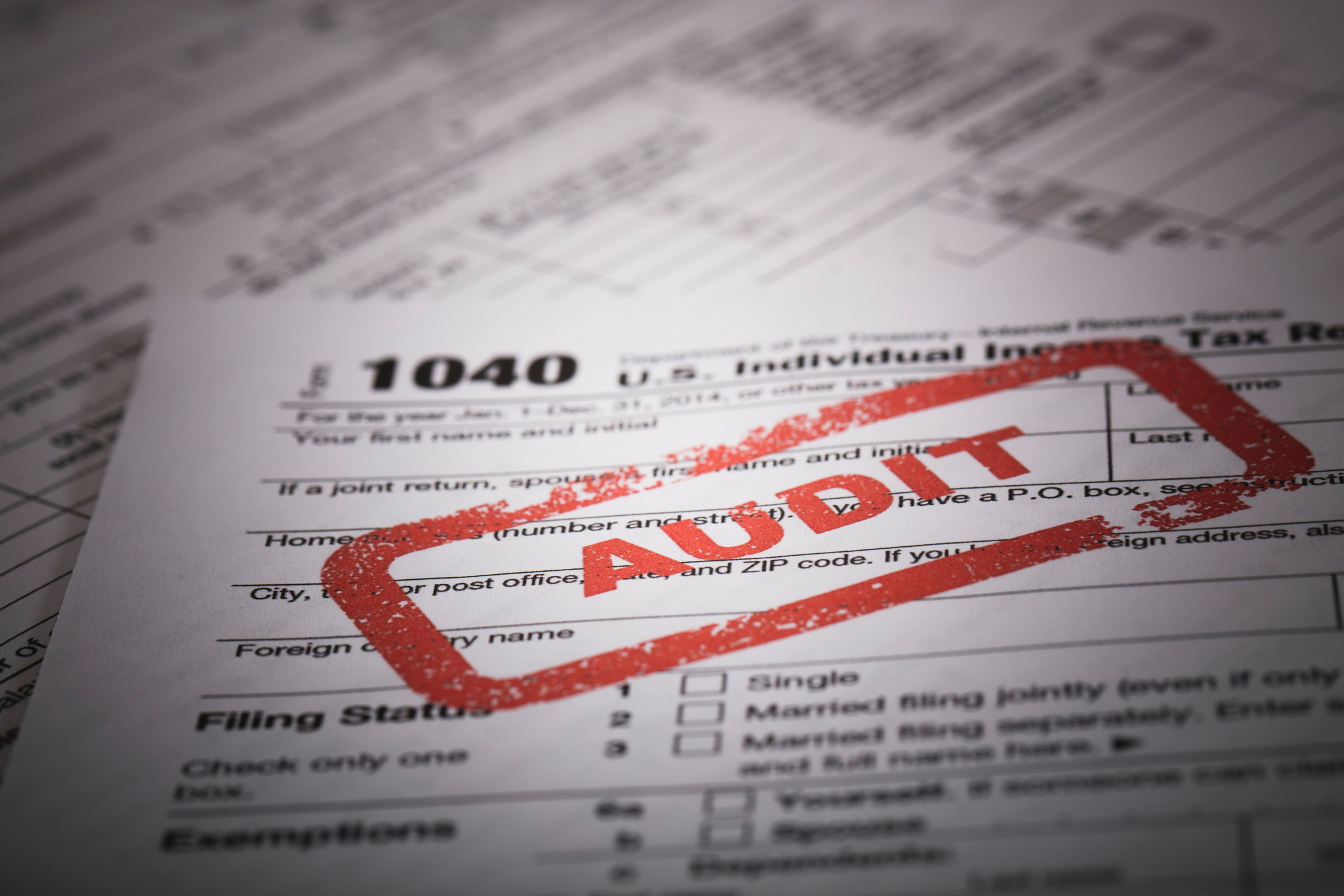
A guide to the main IRS audit triggers for high net worth families and how to proactively avoid common tax mistakes.
Top IRS audit triggers for high net worth individuals and families
For high net worth (HNW) individuals and families, the prospect of an IRS audit is more than just an inconvenience—it’s a genuine risk to privacy, finances, business interests, and reputation. The IRS deploys increasingly sophisticated techniques to select audit targets, and those with complex investments, multiple income streams, or large charitable deductions are often in the spotlight. Audit rates may be historically low for average taxpayers, but HNW earners, especially those with incomes over $1 million, are flagged by algorithms designed to sniff out patterns of non-compliance.
Common audit triggers include under-reporting income across disparate accounts, making large or unusual deductions, failing to document business expenses properly, and owning pass-through entities like LLCs or S-corps that generate “red flag” loss claims. Inconsistent or unsubstantiated trust distributions, as well as offshore account activity, also draw scrutiny. For a comprehensive guide on top audit risks, see Kiplinger.
Common tax filing mistakes and overlooked compliance details
One of the most overlooked threats to audit defense is careless tax filing and record-keeping. Even minor discrepancies between reported figures and third-party information (like 1099s or K-1s) can automatically generate an inquiry. Common missteps include excessive or poorly documented charitable deductions, not reporting foreign income or assets, mismatched basis reporting for securities, and aggressive use of business losses.
Many HNW families fall into traps by failing to update compensation agreements, relying on outdated estate planning structures, or leaving old tax credits/reductions unaddressed. Errors are compounded when families change accountants or attorneys—carrying forward legacy mistakes. Strategies like bunching deductions must always be adequately explained and matched with supporting evidence.
Best practices to reduce audit risk and navigate audits if they occur
Reducing IRS audit exposure is possible with a proactive, detail-oriented approach. Annual tax planning sessions with a multidisciplinary team (CPA, attorney, wealth advisor) are essential. Document all charitable contributions with receipts and board minutes if using private foundations. Review every information return (W-2s, 1099s, K-1s, 3520s for foreign accounts) for accuracy before filing.
Store your documentation securely and keep a digital archive for IRS audits that can materialize years after returns are filed. If selected for audit, respond promptly—ideally with professional representation—and provide only what’s requested. Avoid volunteering extraneous data, as an audit on one topic can snowball. For in-depth preparation strategies and audit response tips, visit the Thayer Partners Blog.