

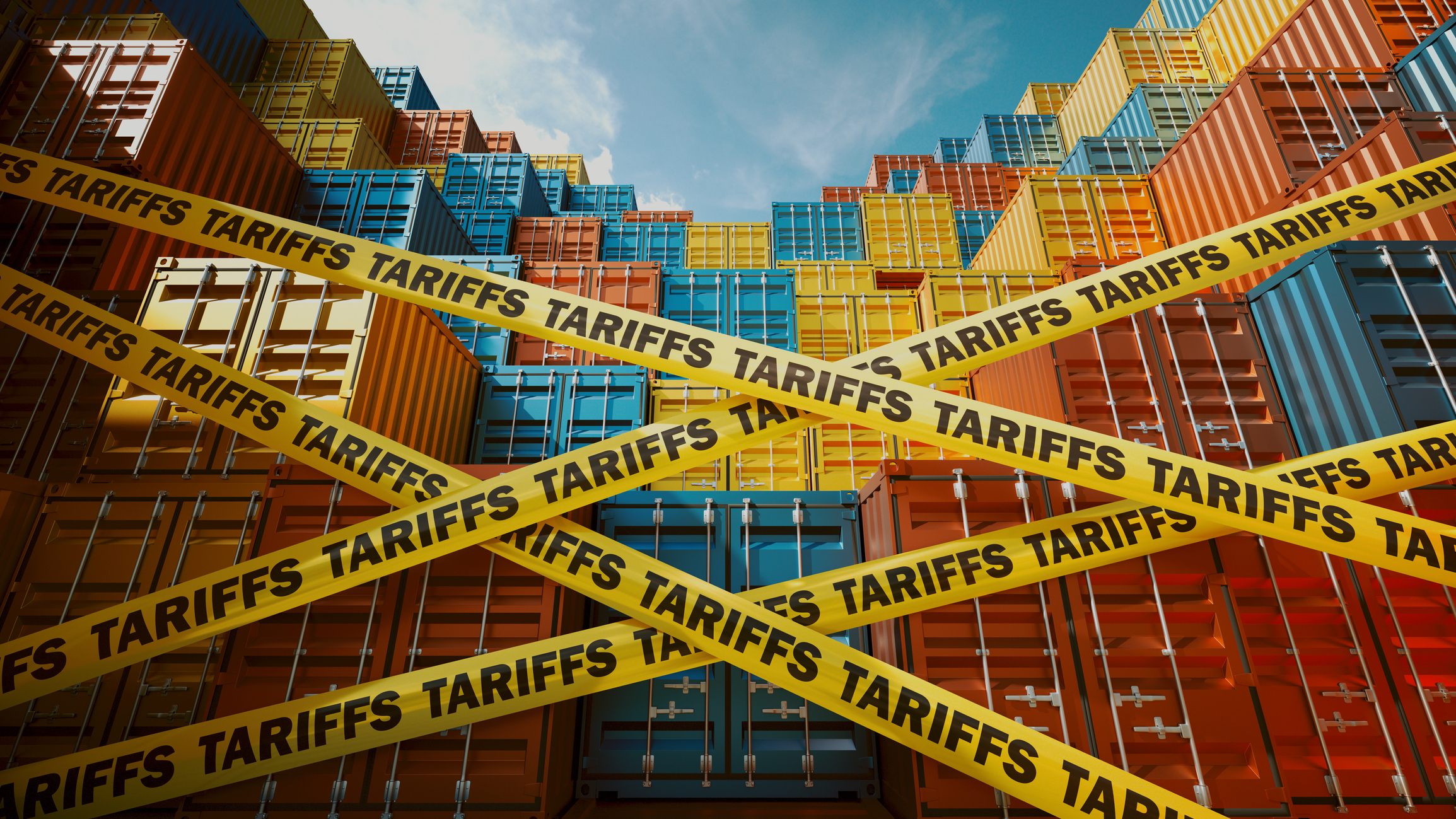
Explore the complex relationship between global tariffs and rising inflation, and discover what executives need to know to navigate today's volatile financial landscape.
Unpacking the Link Between Tariffs and Inflation
Tariffs, effectively taxes on imported goods, play a pivotal role in shaping price dynamics across economies. When the U.S. government imposes tariffs on imports, it raises the cost of bringing those goods—and often their components—into the country. The degree to which these increased costs are passed on to consumers depends on several factors, including the bargaining power of importers, the flexibility of supply chains, and the competitive landscape among domestic producers.
Recent studies highlight that tariffs can directly influence inflation by raising the price of imported consumer and investment goods. While not all costs are immediately passed to end buyers, a significant share often is, resulting in upward pressure on headline inflation and, less dramatically, on core inflation metrics. For business executives, understanding this link is essential to anticipate how broader economic policies might impact operational costs and pricing strategies.
Global Trade Dynamics: How Tariffs Reshape Supply Chains
Tariffs rarely act in isolation; their ripple effects extend throughout global supply chains. When tariffs increase the cost of raw materials or intermediate goods, businesses are compelled to rethink sourcing, often shifting to alternative suppliers or renegotiating contracts. These adjustments can introduce new inefficiencies, increase lead times, and add further costs to production processes.
For U.S. businesses, such disruptions may necessitate a reevaluation of longstanding supplier relationships and a renewed focus on supply chain resilience. Executives must weigh the trade-offs between cost, quality, and reliability as tariffs reshape the calculus of global trade, potentially impacting the availability and pricing of finished products.
The Ripple Effect: Tariffs, Costs, and Consumer Prices
The immediate consequence of tariffs is often a bump in the price of targeted goods. However, the broader impact is felt through secondary channels—higher production costs for domestic manufacturers, wage and service price adjustments, and changes in consumer spending patterns. These second-round effects can embed inflationary pressures into the economy more deeply than a simple, one-off price increase.
Research from the Federal Reserve Banks and private economics firms underscores that while tariffs may not be the sole driver of inflation, they contribute meaningfully to recent price increases. For example, a broad 25% tariff could raise consumer goods prices by over 2% in the short term, with more pronounced effects in sectors reliant on imported components. Business leaders should monitor these dynamics closely, as even modest increases can erode profit margins and alter demand forecasts.
Strategic Responses: What Financial Leaders Should Consider
Navigating a tariff-influenced environment requires strategic agility. Financial leaders must assess exposure to tariff-impacted goods within their supply chains, model potential cost increases, and explore opportunities for hedging or supply diversification. Scenario planning becomes essential to anticipate the effects of both one-time price jumps and possible recurring inflationary trends.
Additionally, businesses may need to adapt pricing strategies, renegotiate supplier agreements, or invest in domestic production capabilities. Transparent communication with stakeholders—including customers, suppliers, and investors—can help manage expectations as firms respond to evolving trade policies.
Forecasting the Future: Navigating Uncertainty in a Tariff-Driven Economy
Looking ahead, the trajectory of tariffs and their inflationary effects remains uncertain. Policymakers may adjust tariff levels in response to global economic conditions, domestic industry pressures, or international negotiations. For executives, this environment underscores the importance of flexibility, continuous monitoring of trade policy changes, and proactive risk management.
While tariffs are currently adding to inflation, they are not the only factor shaping the economic landscape. Labor costs, energy prices, and supply chain disruptions also play vital roles. By staying informed and responsive, business leaders can better protect their organizations against volatility and position themselves to capitalize on emerging opportunities.